New study: blood flow restriction training's heart-health edge unclear
Light lifting with blood flow restriction (BFR) raised heart rate and blood pressure about as much as heavy lifting in a small study of 14 trained young men. Thirty minutes later, one blood-pressure number was higher after BFR than after the other workouts.
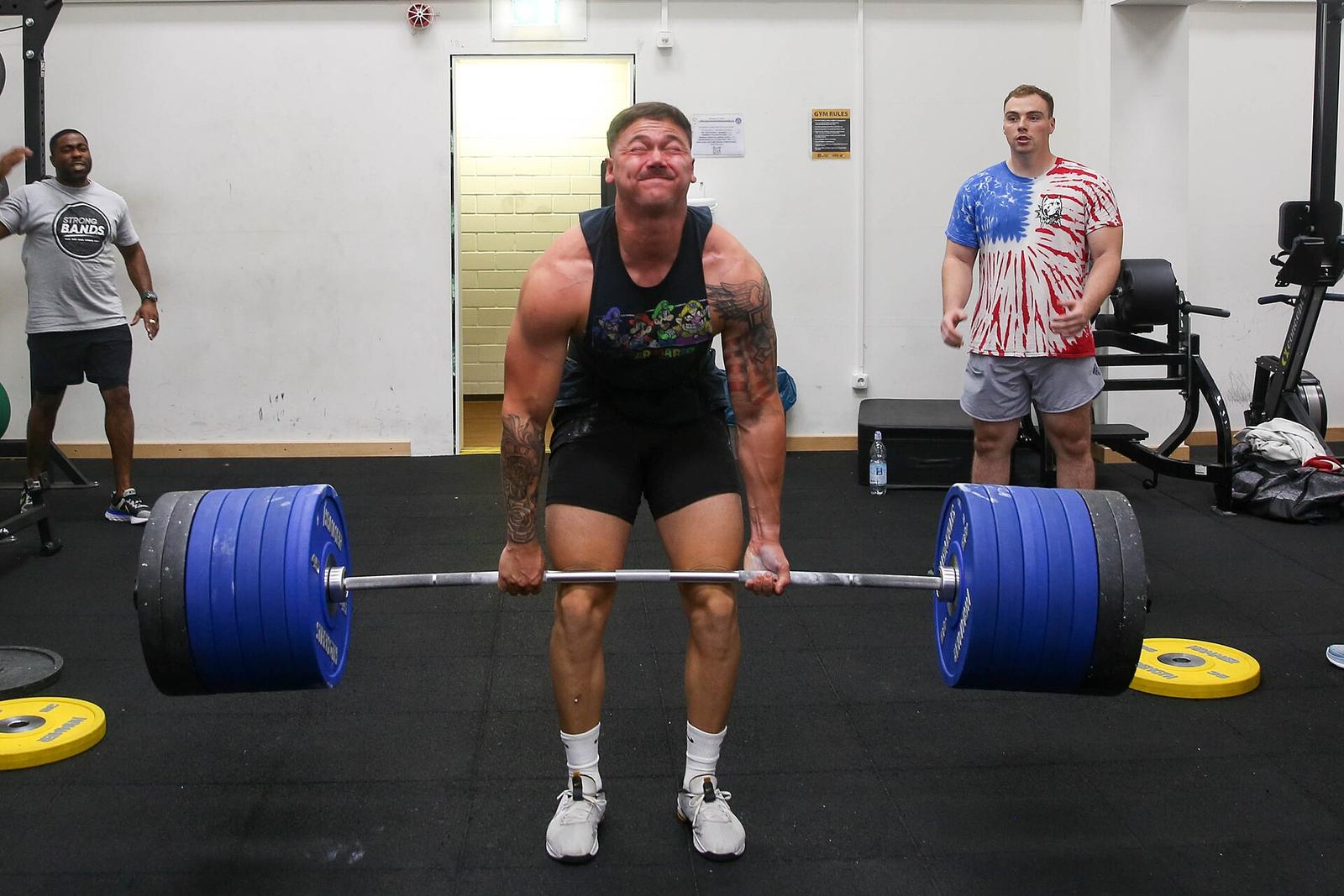
A new study tested how the heart responds to three full-body workouts, with every set taken to failure.1 One used heavy weights, called high-intensity resistance training (HIRT), at 70% of one-repetition maximum (1RM).1 One used light weights, called low-intensity resistance training (LIRT), at 30% of 1RM.1 The third used the same light weights with blood flow restriction training (BFR), with cuffs set to 80 mmHg.1 Fourteen young men who already lifted weights did all three workouts.1
Right after each workout, heart rate and blood pressure were up from resting levels.1 The study found no clear difference between the three workouts.1
Thirty minutes later, systolic blood pressure and mean arterial pressure had dropped below resting levels after all three workouts.1 Diastolic blood pressure dropped only after light lifting without cuffs.1 After BFR, it was higher than after either of the other workouts.1
The study only tested healthy young men, so the results may not apply to women, older adults or people with heart or blood-pressure problems.1 The authors also said the higher diastolic reading after BFR was a single result.1 Other studies need to repeat it before anyone relies on it.1 With only 14 people, the study could also have missed small differences.1