Study links sprint velocity to jump, strength measures
A study of 24 highly trained Australian track sprinters linked 60-meter maximal velocity most strongly with countermovement-jump impulse, isometric leg-press force and jump stiffness; 20-meter velocity was most strongly linked with single-leg drop-jump eccentric impulse and countermovement-jump power.
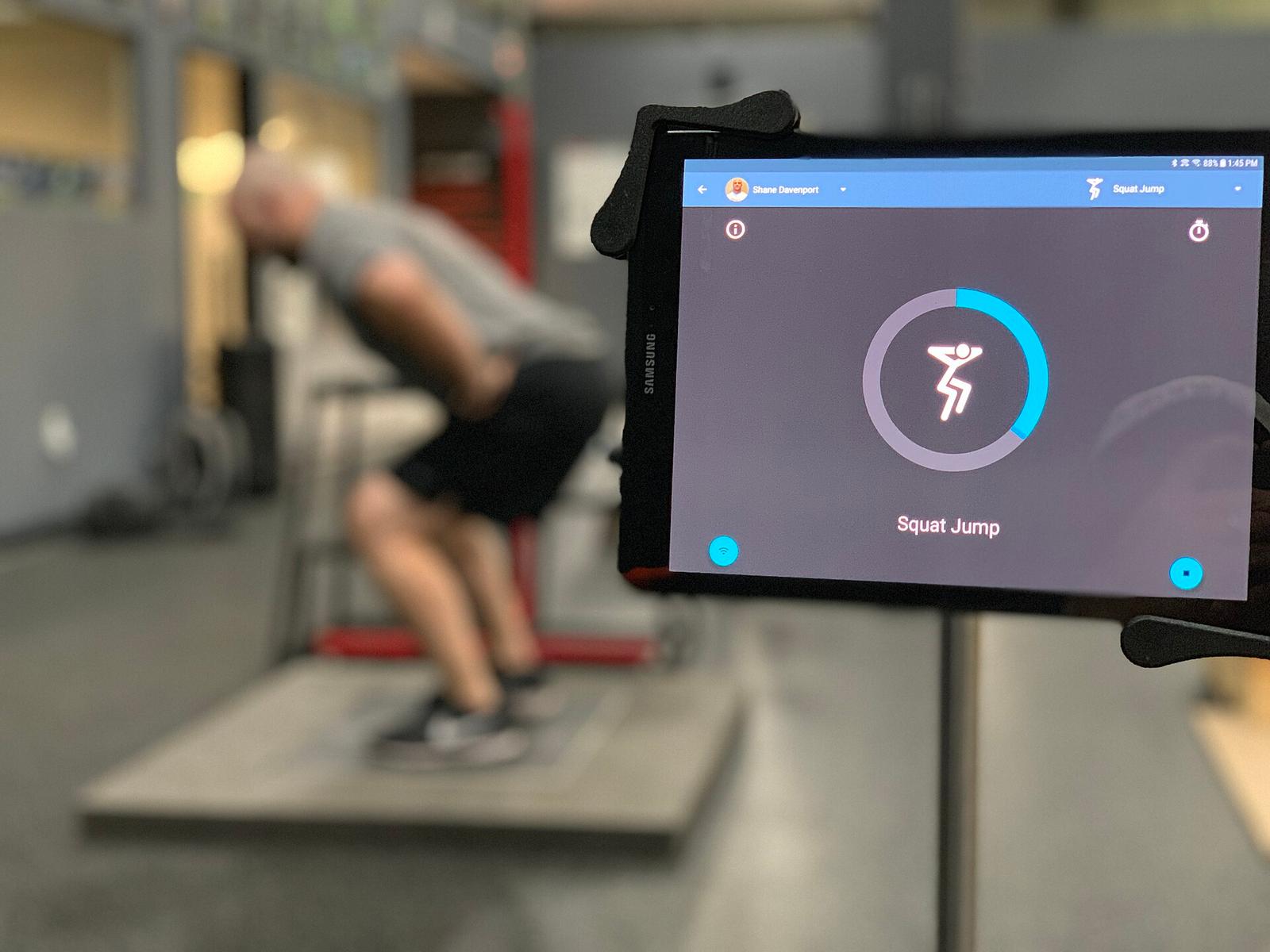
The Journal of Strength & Conditioning Research published the study on November 4, 2026. Researchers analyzed 24 highly trained Australian track sprinters—12 women and 12 men—after strength and dynamic tests and maximal 60-meter sprints.1
The 60-meter model explained 93.3% of the variance, with countermovement-jump impulse, isometric leg-press peak force and countermovement-jump stiffness the strongest positive contributors. The 20-meter model explained 88.6% of the variance; single-leg drop-jump eccentric impulse and countermovement-jump power were its strongest contributors.1
For sprint coaches, the study identified jump and strength qualities to consider when assessing sprint athletes, but its 24-athlete sample does not establish the same priorities for general gym clients.1