Study finds similar immediate cardiovascular responses across resistance protocols
A crossover study of 14 resistance-trained men found no significant differences in immediate cardiovascular responses after high-load, low-load or blood-flow-restriction sessions taken to failure. At 30 minutes, low-load training showed reductions across three blood-pressure measures, while blood-flow restriction was associated with higher diastolic pressure than the other protocols.
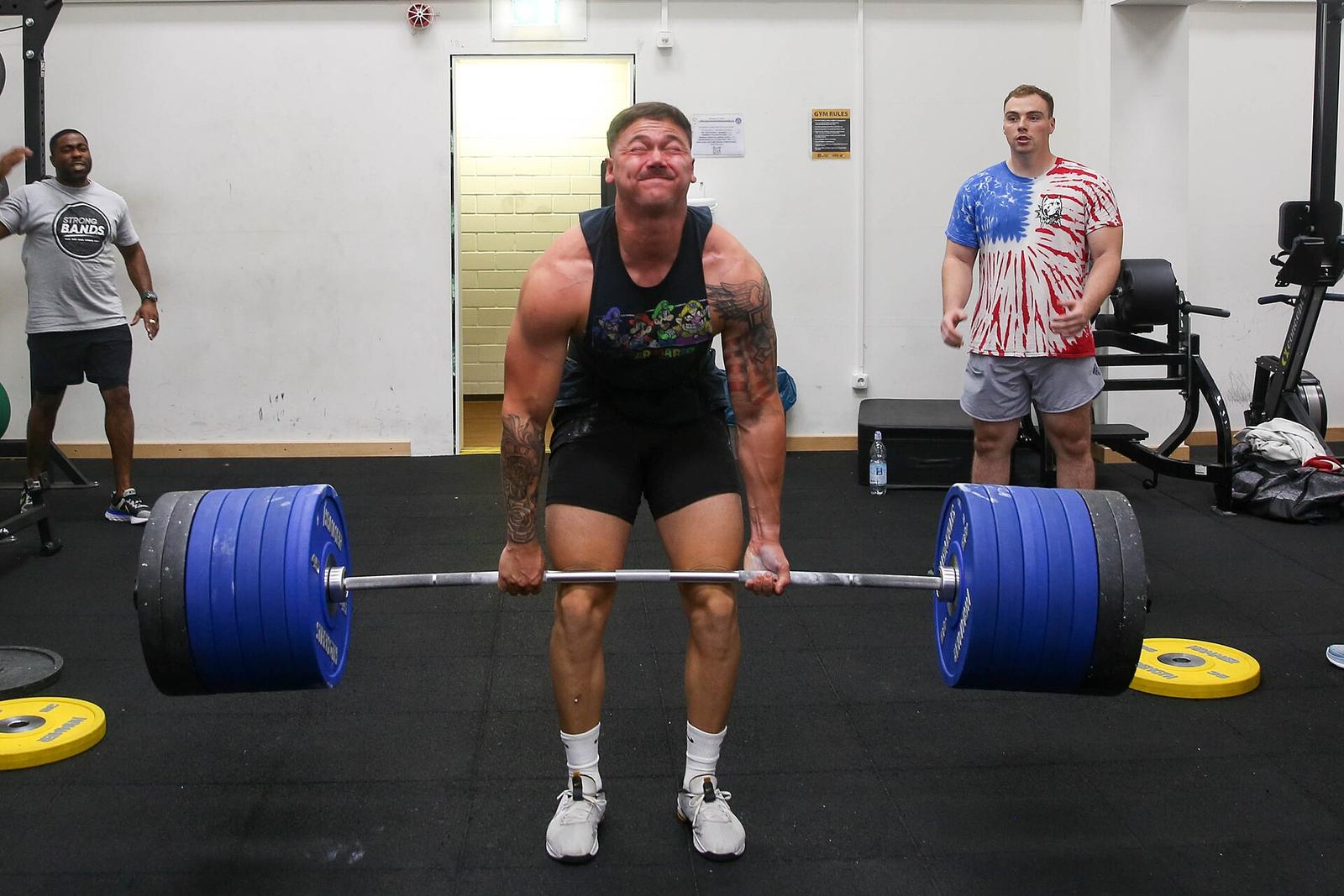
A study published Nov. 3 compared immediate and 30-minute cardiovascular responses after full-body sessions of high-intensity resistance training (HIRT), low-intensity resistance training (LIRT) and LIRT with blood flow restriction (BFR), with all sets taken to muscular failure. Fourteen resistance-trained men completed HIRT at 70% of one-repetition maximum, LIRT at 30%, and the BFR session at 30% with fixed cuff pressure of 80 mmHg.1
Immediately after training, all three protocols raised heart rate, rate-pressure product and blood-pressure measures from resting levels, but the study found no significant differences between protocols. At 30 minutes, systolic and mean arterial pressure were below resting levels after each protocol; diastolic pressure fell only after LIRT and was higher after LIRT with blood flow restriction than after either comparison protocol.1
The authors said the results applied directly only to healthy young men and cautioned that the isolated diastolic-pressure difference should be treated as hypothesis-generating until replicated.1