American Heart Association reports association between stimulants and cardiac events
An American Heart Association analysis of voluntary reports filed from 2017 through 2025 found cardiac events were reported more often alongside caffeine- or stimulant-containing energy drinks and supplements, with a notable share involving adults ages 18 to 34. The abstract was preliminary, had not been peer-reviewed, and did not establish causation.
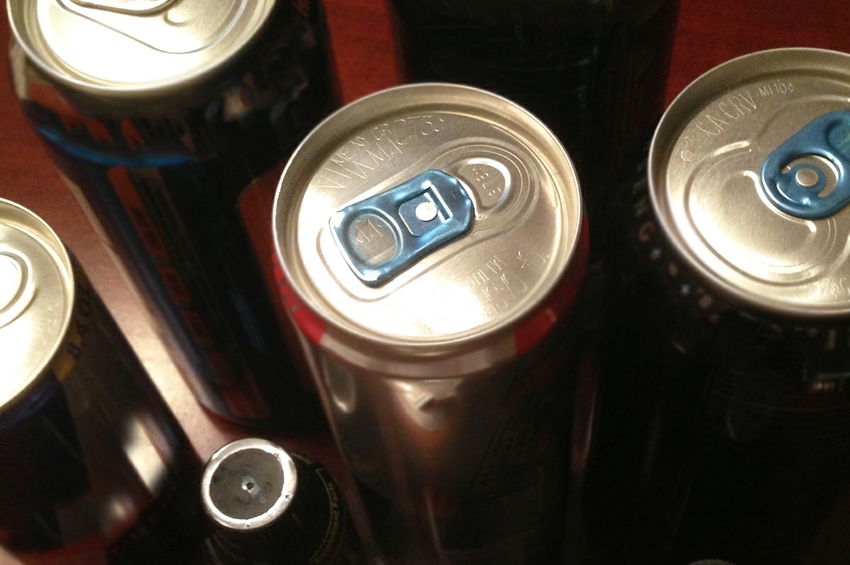
Researchers compared 854 reports mentioning caffeine- or stimulant-containing energy drinks or supplements with 27,491 reports involving products without those ingredients, according to the American Heart Association. Cardiac arrest was reported about 11 times more often in the stimulant-product reports, and heart attacks about 4.5 times more often.1
About 45% of reports linking caffeine- and stimulant-containing products to cardiovascular events involved adults ages 18 to 34. The data came from voluntary reports to the U.S. Food and Drug Administration between 2017 and 2025, so researchers could not determine how many people used the products without cardiac events or establish that the products caused them.1
For trainers, the findings touch on a workout-related context: researchers said the reported pattern among young adults might reflect when they consume stimulant products, including before intense exercise, but the analysis did not establish an exercise-related cause. The American Heart Association said the study was an abstract, had not been peer-reviewed, and remained preliminary pending publication as a full manuscript.1