High-intensity interval training shifts blood-protein patterns toward insulin sensitivity in men
Eight weeks of supervised high-intensity interval training (HIIT) changed 22 plasma proteins in men, shifting the overall pattern toward greater insulin sensitivity. The paper also reported gains in insulin sensitivity and aerobic capacity.
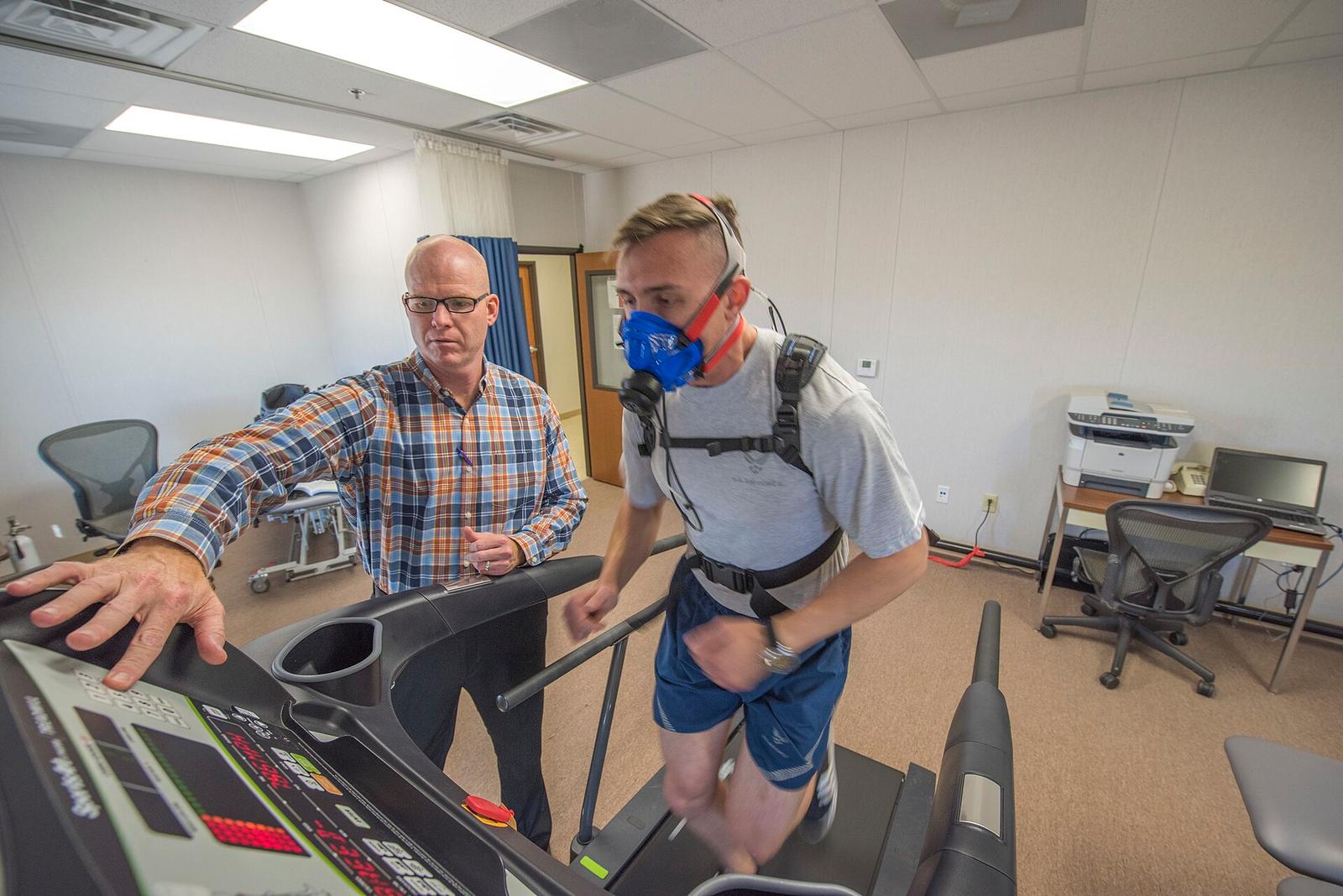
A paper published Nov. 16 reported that eight weeks of high-intensity interval training (HIIT) changed 22 plasma proteins. The overall pattern shifted toward greater insulin sensitivity, the authors reported.1
The intervention improved insulin sensitivity by 30–40% and aerobic capacity by 8–15%. The cohort included sedentary men who were lean, had obesity, or had obesity and type 2 diabetes. Participants completed three supervised rowing-and-cycling sessions each week.1
Each session used blocks of five one-minute high-intensity intervals. The number of blocks rose from two to five during the program. Protein shifts included lower levels of some innate-immune proteins and higher levels of extracellular-matrix-related proteins. Individual protein responses varied across the three groups.1