Caffeine improves trained male sprinters’ first 60 meters, with dose-specific gains
In 21 trained male 100-meter sprinters, both caffeine doses improved performance through 60 meters and several power measures. The 6 mg/kg dose added gains in selected outcomes, but not across the board.
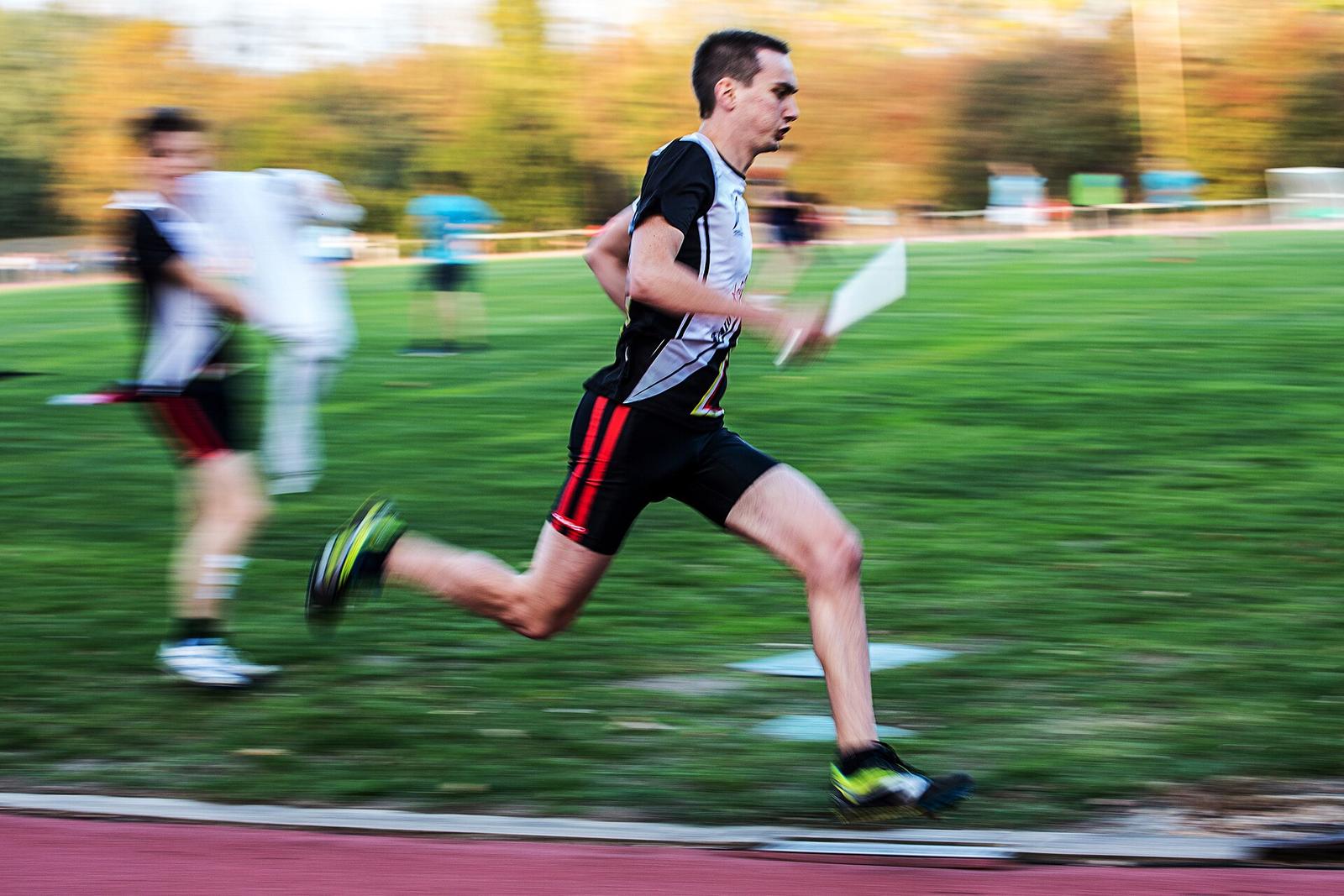
In a trial, 21 trained male 100-meter sprinters took placebo, 3 milligrams per kilogram (mg/kg) caffeine, and 6 mg/kg caffeine on separate visits. Both caffeine doses improved times through 60 meters, jump height, power in a 10-second cycling test, reaction time, and force from the starting blocks versus placebo.1
The 6 mg/kg dose led to greater gains than 3 mg/kg for cumulative 30- and 60-meter times, jump height, and starting-block force measures. The higher dose did not add benefits for reaction time, perceived effort, or average power in the cycling test. The doses did not differ significantly in the separate 10-to-30-meter or 30-to-60-meter splits, and neither changed average step length or step frequency over the first 10 meters.1
The study tested sprinting only through 60 meters and did not compare how well participants tolerated either dose. For coaches, the findings suggest that 3 mg/kg improved several measures in this group, while extra benefit from 6 mg/kg depended on the outcome.1