Low-load blood flow restriction training brings bigger strength gains in new report
A six-week trial of 36 male military cadets found low-load blood flow restriction (BFR) training led to a larger gain in isometric strength than training at 70% of one-repetition maximum. The authors called the results preliminary and said BFR should supplement, not replace, heavy loading in military conditioning.
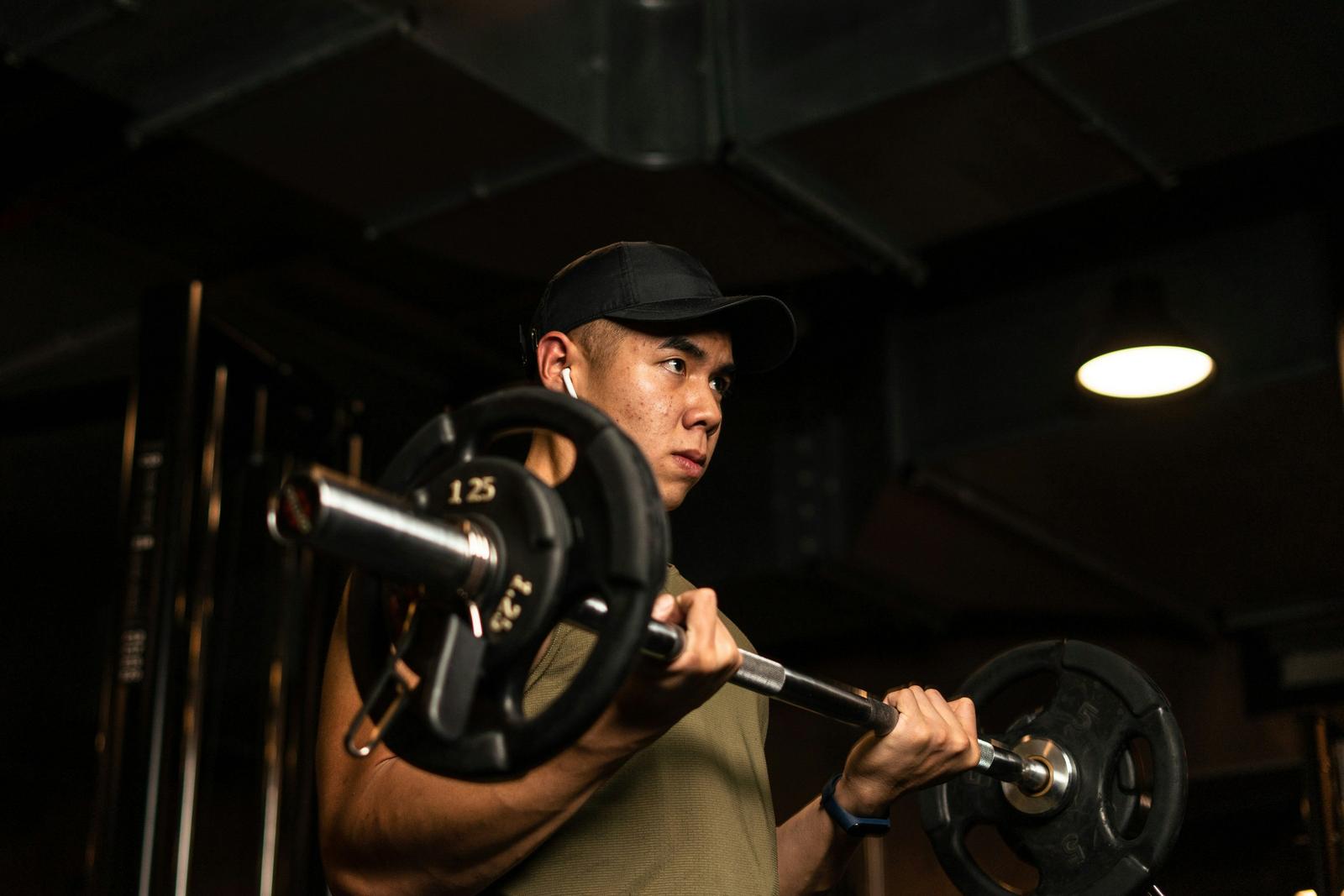
A six-week trial found that low-load blood flow restriction training produced a larger gain in isometric mid-thigh pull force than conventional resistance training.1 The assessor-blinded trial assigned 36 male military cadets to train three times a week, using either blood flow restriction (BFR) at 30% of one-repetition maximum or conventional training at 70%.1 The BFR group gained 332 newtons in peak force, compared with 266 newtons in the conventional group.1
The authors called the findings preliminary because the study lasted six weeks and included only men.1 They said BFR should supplement, not replace, heavy loading in military conditioning when heavy loading was unsuitable or unavailable.1