Front squats show 11.6% lower estimated knee contact force than back squats, study finds
In simulations of 10 female lacrosse athletes, back squats produced about 11.6% greater peak vertical knee contact force than front squats across the tested loads. The study said the clinical importance of the difference remained unclear.
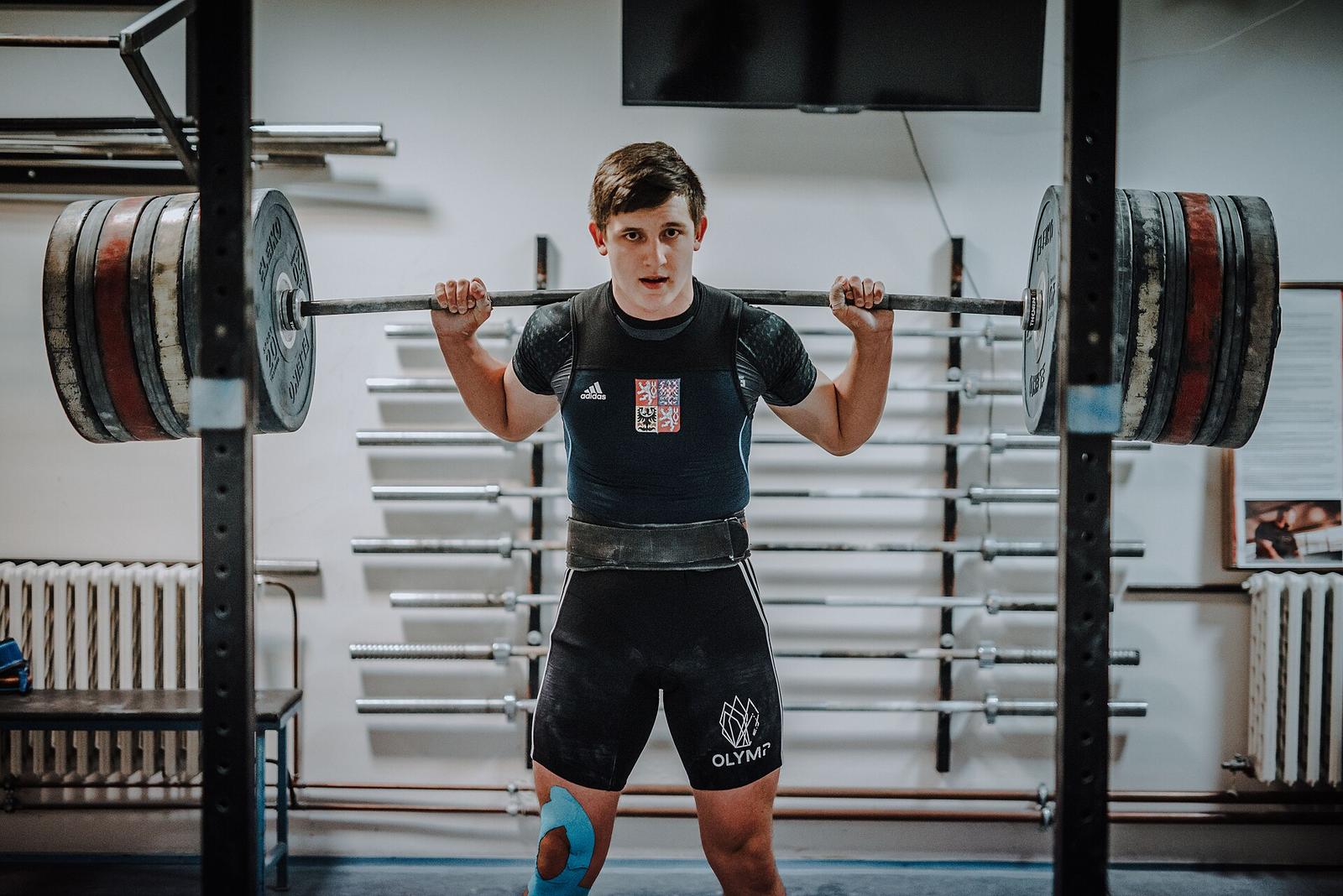
The study appeared ahead of print in the Journal of Strength & Conditioning Research on November 5, 2026. Ten female lacrosse athletes performed back and front squats at 40%, 60% and 80% of front-squat one-repetition maximum.1
Researchers used motion capture, force plates and musculoskeletal simulations to estimate muscle forces and knee contact forces. Across the tested loads, estimated peak vertical knee contact force was about 11.6% higher in back squats.1
The vasti muscles contributed more than 93% of knee contact force in both exercises, and their force was greater in back squats. At peak knee force, knee angles and net joint moments did not differ between squat types. The authors said front squats may suit cases where lower knee compression is desired at the same load. They said the clinical importance of the difference remains unclear.1