Low-intensity blood-flow restriction reduces tendon thickness after one session, study finds
Among 66 healthy, active young adults, one session of low-intensity blood-flow-restriction exercise reduced ultrasound-measured patellar tendon thickness more than sham exercise. The trial measured only immediate changes and did not show long-term tendon adaptation or clinical benefit.
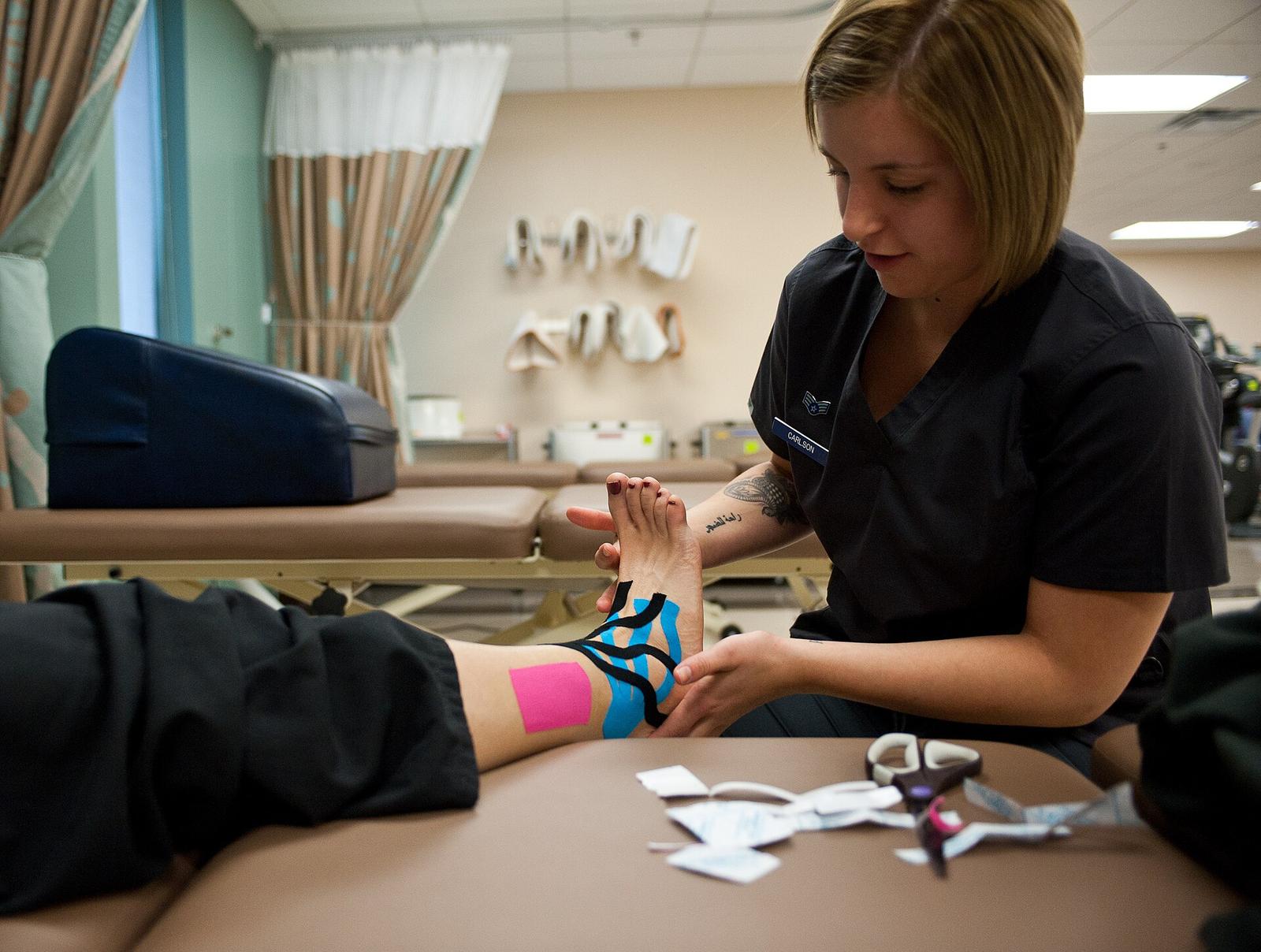
The trial enrolled 66 healthy, active adults who averaged 22 years old. Participants completed five 30-second isometric knee-extension sets under high-intensity, sham, or low-intensity blood-flow-restriction conditions.1
Averaged across tendon sites, ultrasound showed thickness fell 0.545 millimeters after low-intensity blood-flow restriction, versus 0.242 millimeters after sham. High-intensity exercise produced a 0.586-millimeter drop; the difference from low-intensity blood-flow restriction was not statistically significant.1
The authors said the nonsignificant comparison did not show the methods were equivalent. Because measurements came immediately after one session, trainers cannot infer long-term tendon adaptation or clinical benefit.1