Heart-rate variability can take 48 hours or more to recover after hard exercise
Ultrahuman combined research and anonymized Ring-member data to map heart-rate variability (HRV) after exercise, alcohol, illness and short sleep. For trainers, its findings support comparing readings over several nights with a client’s baseline, not judging recovery from one morning.
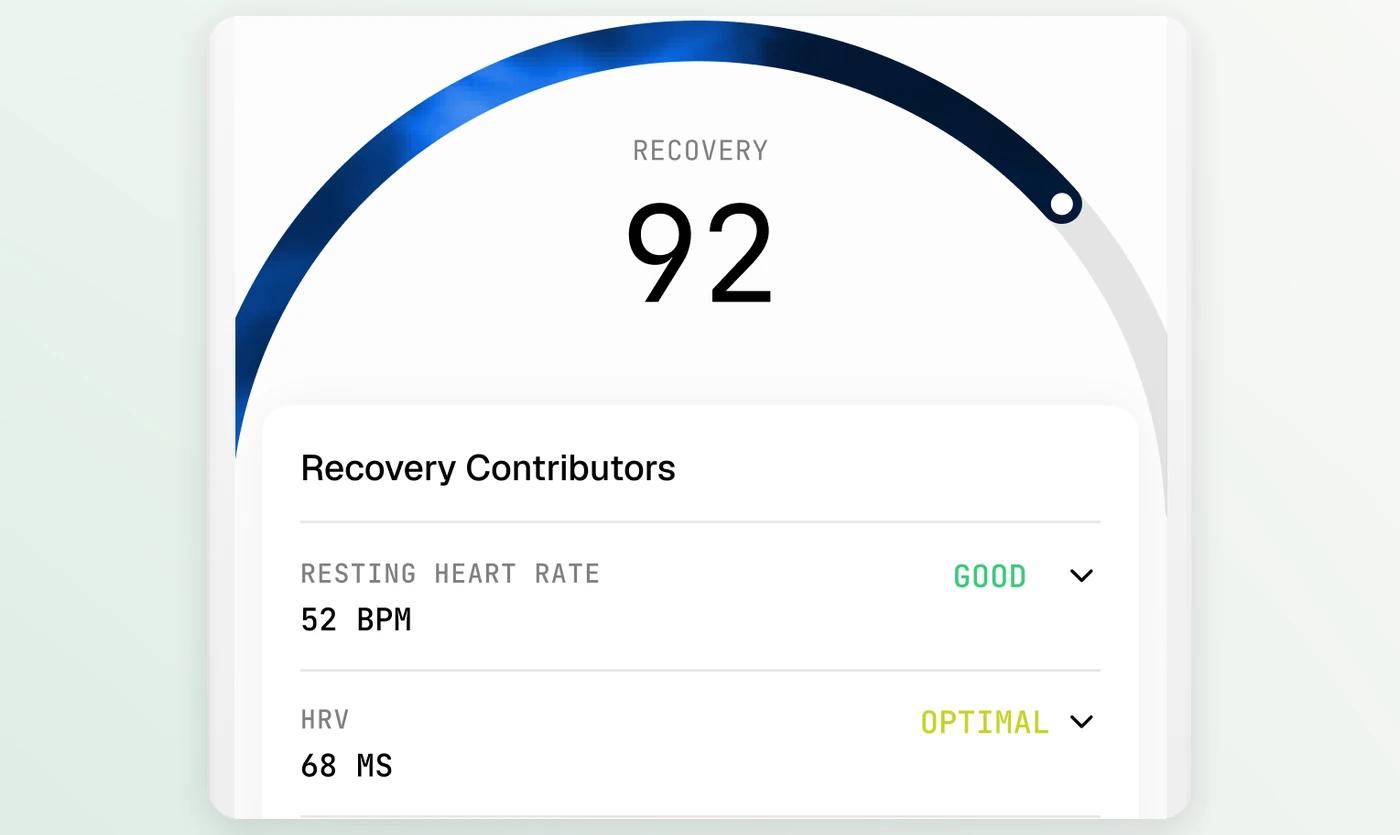
Ultrahuman published its heart-rate variability (HRV) recovery roundup on Nov. 28. It combined research with anonymized data from Ultrahuman Ring members. Ultrahuman cited a review putting recovery at up to 24 hours after easy exercise and 24–48 hours after threshold work. It put recovery at 48 hours or more after high-intensity exercise.1
Among 469 members, 1.6% of single low-HRV nights were followed by a full week of low readings. Across 1,317 members, sleeping heart rate averaged 0.6 beats per minute above usual the night after drinking, then showed no rise by night two. In 211 ring wearers, sleep HRV was 3.8 milliseconds below baseline on nights the app flagged illness. Among 1,024 members, average HRV stayed within one millisecond of baseline for the week after one short night or three in a row.1
For trainers, the findings support viewing several-night trends against each client’s usual range, not treating one low reading as decisive. Ultrahuman called HRV a wellness signal, not a diagnosis.1