American College of Cardiology analysis highlights muscle concerns with weight-loss drugs in older heart-failure patients
The American College of Cardiology published an expert analysis of glucagon-like peptide-1 receptor agonists (GLP-1RAs) in obesity-related heart failure with preserved ejection fraction (HFpEF), highlighting lean-mass concerns for older adults. It cited resistance training and adequate protein as potential mitigation measures and noted gaps in evidence for this population.
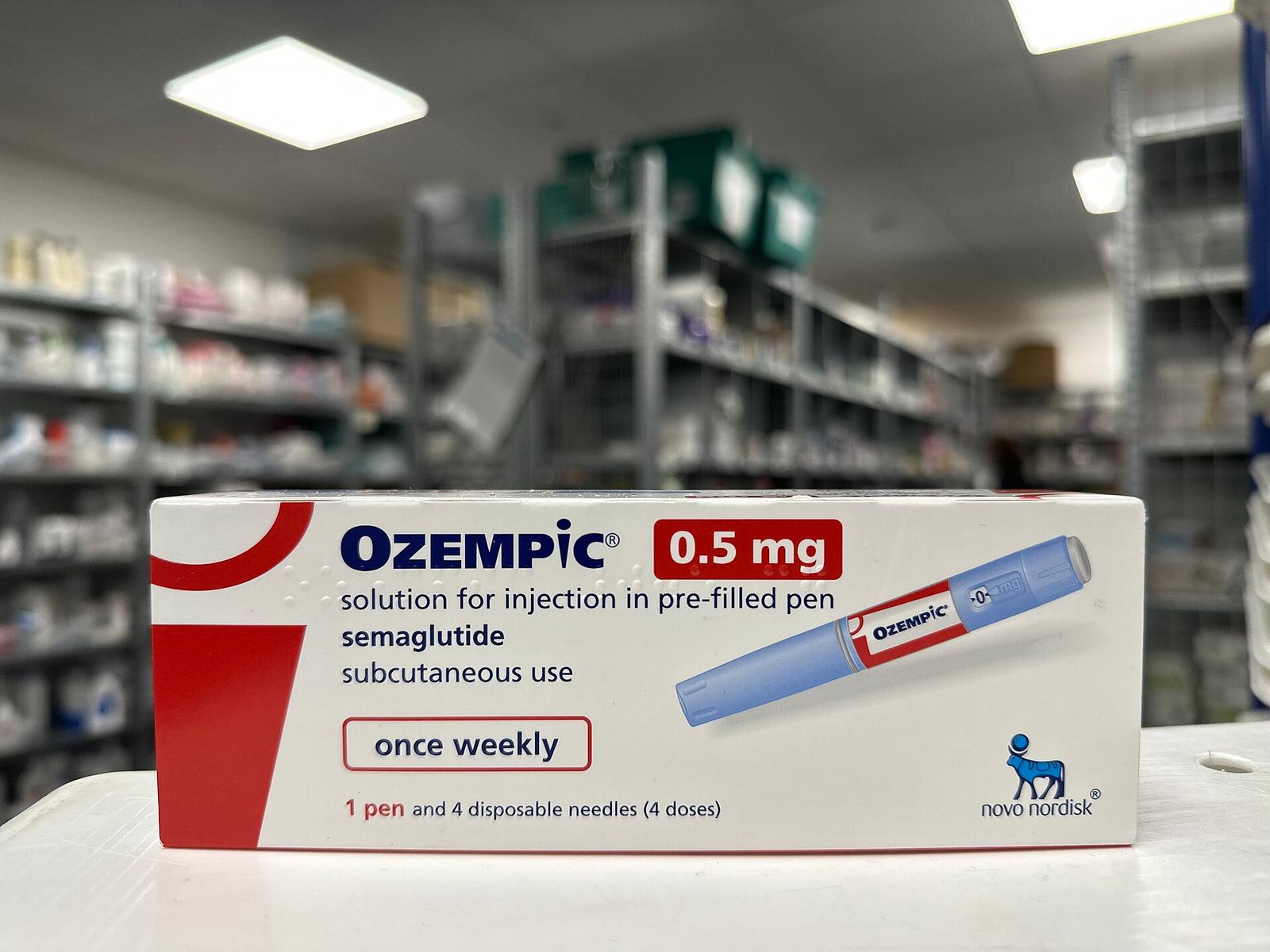
The American College of Cardiology (ACC) published an expert analysis on Oct. 28 about glucagon-like peptide-1 receptor agonists (GLP-1RAs) for people with obesity-related heart failure with preserved ejection fraction (HFpEF). It said potential lean-mass loss and reduced physical reserve warranted particular consideration in older adults at risk of frailty and sarcopenia.1
The analysis noted that none of the large GLP-1RA trials in HFpEF had prespecified measures of muscle strength or physical performance, and called for dedicated trials in older adults.1
It cited a joint advisory recommending structured activity, including resistance training and at least 150 minutes a week of moderate-intensity aerobic activity, and adequate protein during active weight reduction. For trainers, the piece identified resistance exercise as part of a proposed muscle-preservation approach while noting the need for more research in older adults with HFpEF.1